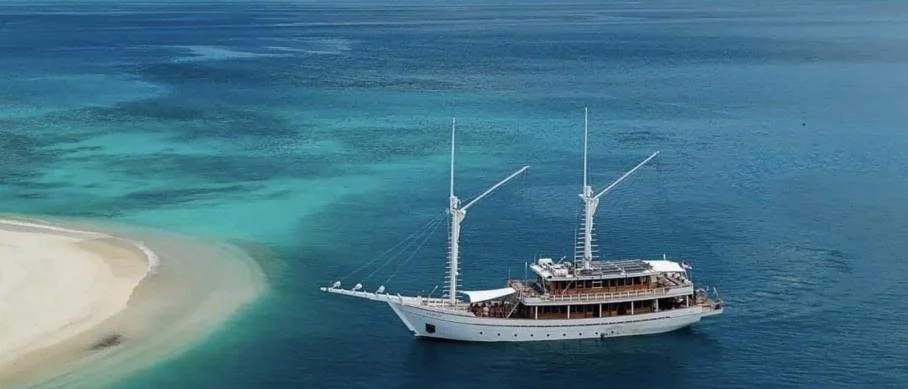
WELCOME TO THE PHINISI WORLD
Furniture and objects crafted from ethically-sourced hardwoods.
Trace the trail and get to know the phinisi ship up close:Indonesia's global maritime heritage.
Trace the trail and get to know the phinisi ship up close:Indonesia's global maritime heritage
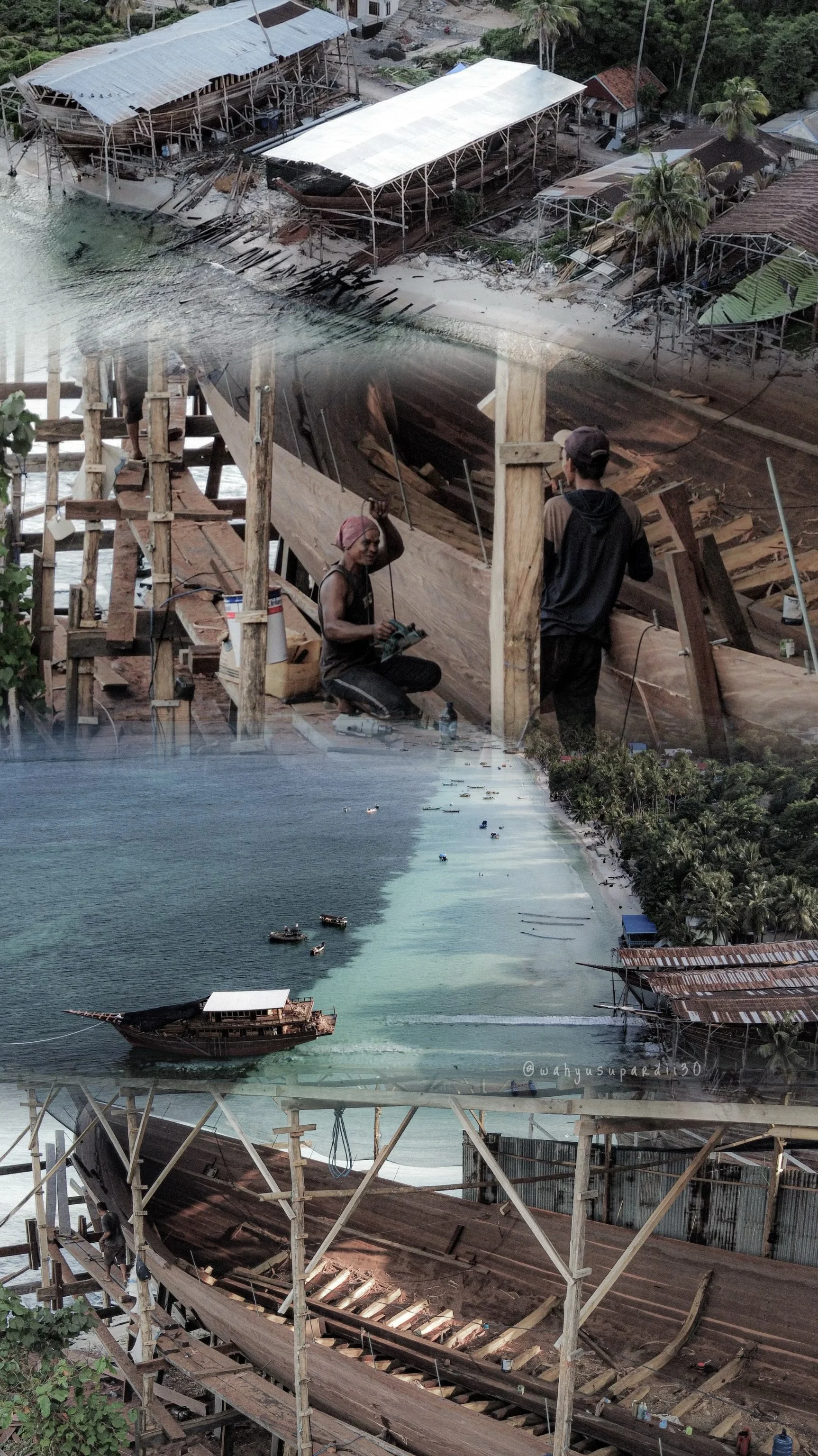
The process of making a pinisi ship begins with the selection of high-quality wood materials, such as ironwood, bitti wood, or teak wood that are known to be strong and resistant to sea conditions. After the wood was prepared, the craftsmen began to arrange the keel as the backbone of the ship, then, continued with the installation of the frame, hull, deck, and sail mast.After the entire process of making the phinisi ship is completed, the next stage is the preparation of the launch which in the tradition of the Bulukumba people is known as Annyorong lopi. At this stage, workers first stack the sand that is put into burlap sacks along the ship's launch path. The jute sand arrangement serves as a buffer as well as safety so that the ship can move stably when pushed towards the sea. This process is carried out with great precision and cooperation, as the success of the launch depends heavily on the readiness of the lines that have been arranged. After all the preparations were completed, the pinisi ship was then pushed together to the waters in a procession that symbolized the birth of a new ship that was ready to sail the ocean.
Pinisi is proof of the maritime glory of the archipelago which was born from the skilled hands of the Bulukumba people.
This traditional sailing ship that has gone global is not just a means of sea transportation, but a cultural heritage that reflects the intelligence, courage, and wisdom of the world in conquering the ocean. Built with hereditary techniques that have been passed down from generation to generation, pinisi is a symbol of Indonesia's maritime identity as well as the pride of the Bulukumba people who are known as the land of shipbuilders. The beauty, toughness and historical value contained in it make pinisi a tangible proof of the archipelago's maritime glory which continues to inspire to this day.
Trace the trail and get to know the phinisi ship up close:Indonesia's global maritime heritage
After the Annyorong Lopi ritual is completed and the first time the keel touches the sea, the journey of Pinisi made by PT Sinar Bira Sejahtera is not over. Today, it is pulled slowly by a tugboat leaving the Bira shipyard, heading for the port. That's where the next stage begins: navigation system installation, interior finishing, float test, and final BKI certification. From the dashing ironwood frame, now it is preparing to become a whole ship worthy of conquering the ocean.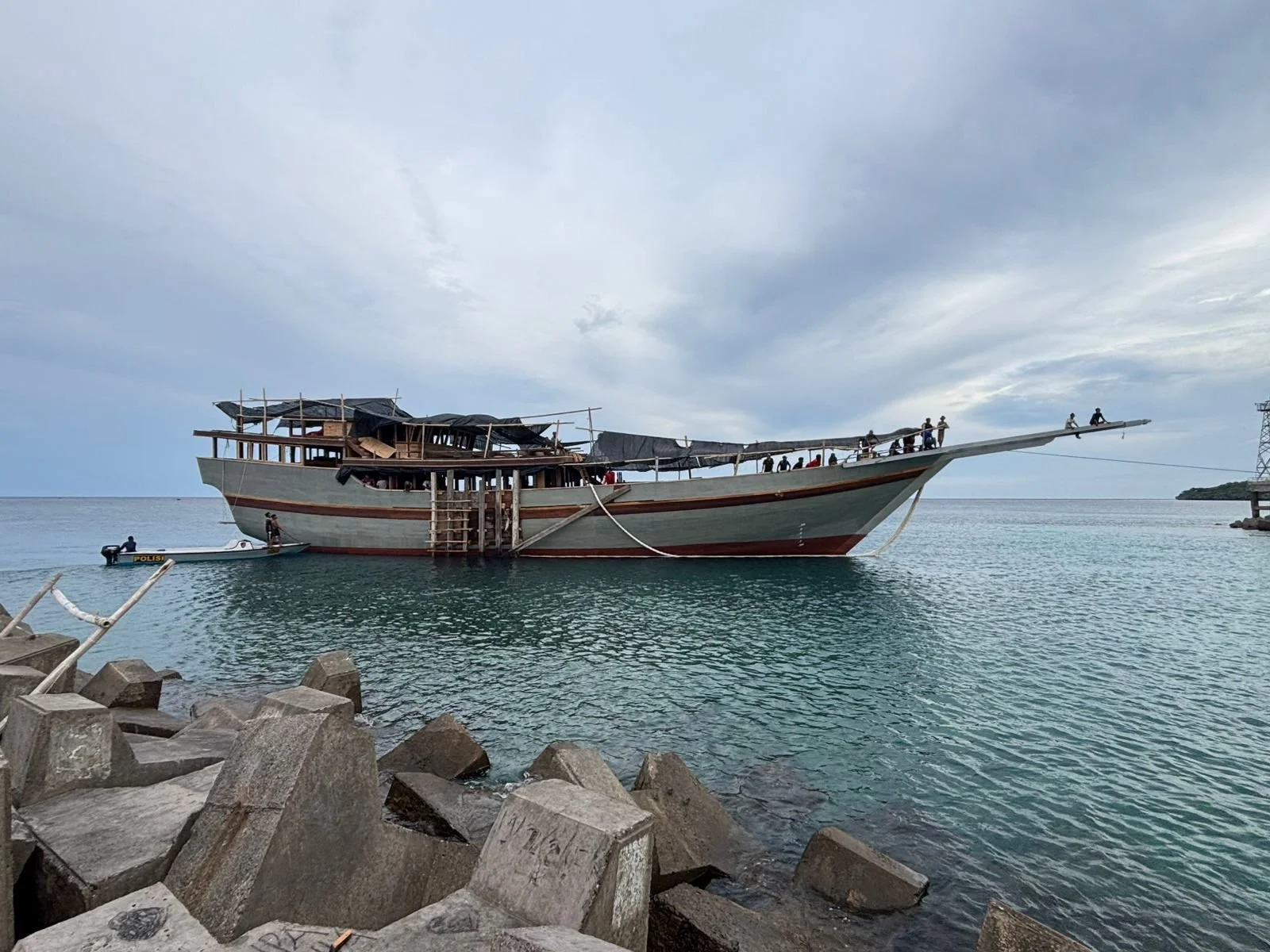
Welcome to phinisibira.com, through this website we will invite you to get to know more closely the history of phinisi history, philosophy, manufacturing process, launch process (Annyorong lopi) and the important role of phinisi ships in the development of Indonesian maritime culture and trade. The phinisi ship is an Indonesian maritime cultural heritage that originated from the land of Bugis-Makassar in South Sulawesi. The expertise in making phinisi has been passed down from generation to generation over the centuries and reflects the intelligence and skills of the archipelago's ancestors in the field of shipping. Due to the historical value of culture, and the traditional knowledge contained in it, UNESCO officially designated the "phinisi art of boatmaking in Sulawesi" as a world intangible cultural heritage (Representative List of the Cultural Heritage of Humanity) in 2017.
Traditional Indonesian Pinisi : History, Uniqueness and Interesting Facts
1. Built Without Formal Blueprints Phinisi was not built on detailed architectural plans. Expert shipbuilders rely on knowledge, proportions, and experience passed down from generation to generation to shape ships. The shape and structure of the hull are often determined by the eye and tradition rather than computer design, thus making each boat unique.
2. The hull comes before the frame Unlike most methods of shipbuilding in the West, where the frame is made first, traditional Indonesian boats often follow the "board first" technique. The outer hull board is installed early, and the frame is installed later to reinforce its shape. This is one of the most distinctive aspects of Sulawesi boatbuilding.
3. A boat is considered "alive" In the Bugis and Konjo maritime cultures, boats are not just objects but something that is almost alive. Important steps in construction—such as the laying of the keel—are accompanied by customary ceremonies and offerings that call for protection and safety of travel.
4. The name "Phinisi" refers to the Rig, not the Hull In fact, "phinis" originally referred to a two-masted sailing ship, not the hull itself. The hull design belongs to a type of traditional Indonesian ship called "palari". Over time, the term pinisi emerged to describe the entire ship.
5. Fully handcrafted Most pinisi ships are still made using simple hand tools, without heavy industrial machinery. The shipbuilders formed large blocks of hardwood and planks with their eyes and hands, using skills passed down from generation to generation of artisans in South Sulawesi.
Book a Consultation
We’ll prepare a proposal and walk you through every step of the process.